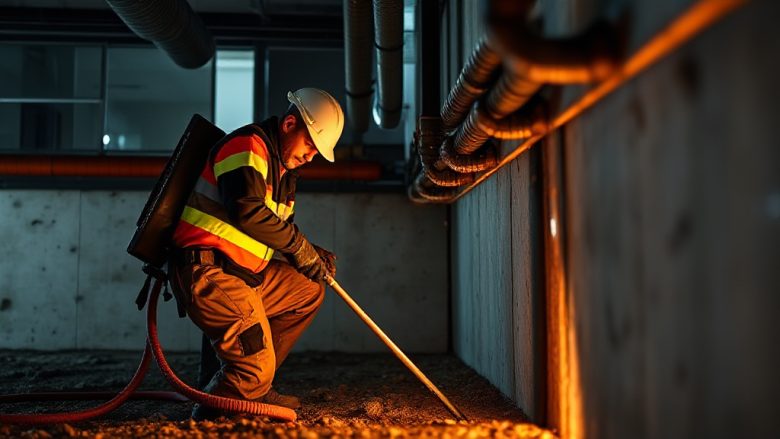
Inside a Professional Drain Visit in Horto Florestal, Step by Step
If you have ever felt uneasy about letting a stranger into your home to work on your pipes, this walkthrough is for you. We are going to open the door of a typical service visit in Horto Florestal and show you exactly what happens from the doorbell to the final flush. When you call a desentupidora Horto Florestal São Paulo SP, you should be able to follow every step and know why each one matters.
The goal is simple: no mystery, no vague promises, and no surprise charges. Below is the sequence a reputable team follows, with a short note on what you should see at each stage so you can hold the service to a clear standard.
Step 1: The Doorbell and the First Conversation
Everything starts with the technician at your gate. Before any tool comes out of the truck, the professional should introduce themselves, confirm the address, and ask what you have noticed: slow drains, gurgling sounds, bad smells, or water backing up in more than one fixture. This conversation is not small talk; it is the first diagnostic tool.
A good technician will also ask whether the problem is recent or recurring and whether any chemical products were already poured down the drain. That last question matters because harsh chemicals can damage pipes and change how the blockage behaves.
What you should see
You should see an identification badge, a uniform, and a written or digital service order before work begins. If nobody explains what they are about to do, ask. Transparency starts at the doorstep.
Step 2: Inspection Before Any Equipment Is Used
A professional visit does not begin with a machine roaring to life. It begins with inspection. The technician will check the affected drains, look for standing water, test nearby fixtures, and sometimes use a camera to see inside the pipe. This step tells them whether the blockage is close to the surface or deeper in the main line.
In older buildings around Horto Florestal, the inspection often reveals tree roots, grease buildup, or collapsed sections of pipe. Each of these needs a different approach, which is why skipping inspection leads to repeat problems.
What you should see
You should see the technician explaining what they found in plain language and pointing out the likely cause. A camera screen or a simple diagram is a good sign that the diagnosis is based on evidence, not guesswork.
Step 3: Choosing the Right Method for the Blockage
Once the cause is clear, the team selects a method. For soft blockages such as grease or soap residue, a motorized drain snake or a high-pressure water jet may be enough. For roots or hardened scale, hydrojetting is often the safer long-term choice because it scours the pipe walls instead of just punching a hole through the clog.
This is also the moment when a desentupidora Horto Florestal should tell you what the job will involve and whether any part of the pipe is at risk. If the pipe is fragile, the method must change. A team that skips this conversation is a team you should question.
What you should see
You should see protective covers on floors, equipment brought in deliberately, and a clear explanation of the chosen method. Ask why that method was picked; a confident answer is a good sign.
Step 4: The Work Itself and What Happens to the Waste
The actual clearing is usually the fastest part of the visit, but it should still be controlled. Water pressure is adjusted, the machine is monitored, and the technician watches for changes in flow. If the blockage clears suddenly, they should test the drain again to confirm the water runs freely and does not back up elsewhere.
Waste removed from the line has to go somewhere. A professional service captures debris and disposes of it properly rather than flushing it back into the system. In apartment buildings, this step also includes checking that the building’s main line is not affected.
What you should see
You should see the technician testing multiple fixtures, not just the one you called about. Clean-up should begin immediately, with floors wiped and equipment stored away from living areas.
Step 5: The Final Check, Report, and Payment
Before leaving, the team should run a final flow test and, where relevant, show you the before-and-after result on camera. You should receive a short report describing what was found, what was done, and any recommendation for prevention. This is where a trustworthy desentupidora em Horto Florestal São Paulo SP earns repeat business: the paperwork matches the work.
Payment should reflect the agreed scope. If the price changed, the reason should have been explained before the extra work started, not after.
What you should see
You should see a written summary, a clear invoice, and a phone number or contact channel for follow-up. If a problem returns within a short period, a reputable company will want to know.
What a Transparent Visit Looks Like From Your Side
You do not need technical knowledge to judge a service visit. You need to see a sequence: conversation, inspection, explanation, controlled work, testing, and documentation. When any of those steps is missing, ask for it. The best protection against a bad experience is a customer who knows what a good visit looks like.
Keep a simple record of each visit, including the date, the method used, and any recommendations. Over time, that record helps you spot recurring patterns and decide whether preventive maintenance is worth scheduling. In a neighborhood with mature trees and older plumbing, prevention is often cheaper than emergency repairs.
If you want a team that walks you through each stage rather than working in silence, start by asking questions at the door and expecting clear answers. A professional drain visit should feel like a process you can follow, not a black box.